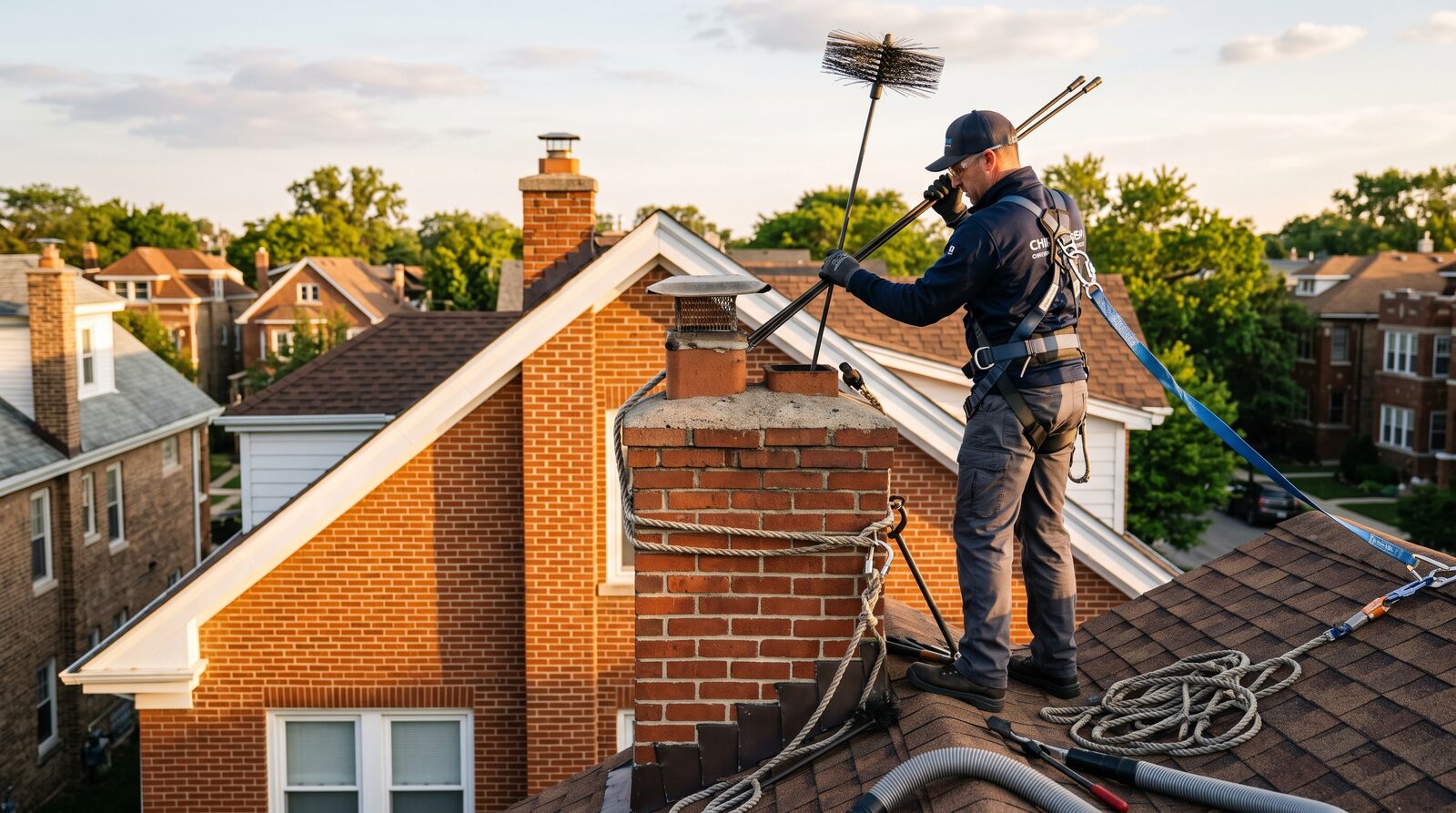
Chimney cleaning, sweeping, inspection, and repair in one clear service system
Chimney Cleaners is a Chicago-corridor chimney cleaning and fireplace safety resource built around real homeowner decisions: clean the flue, inspect the condition, trace water or smoke symptoms, and plan repairs only after the evidence is understood.
The old version did not make the service coverage obvious enough. This repair puts the main chimney services, blog, research center, and local service-area pages directly into the homepage path instead of hiding them behind a single generic CTA.
Services
Choose the chimney problem first
Every card routes to a dedicated service page with a real image slot, practical scope notes, and related education links.
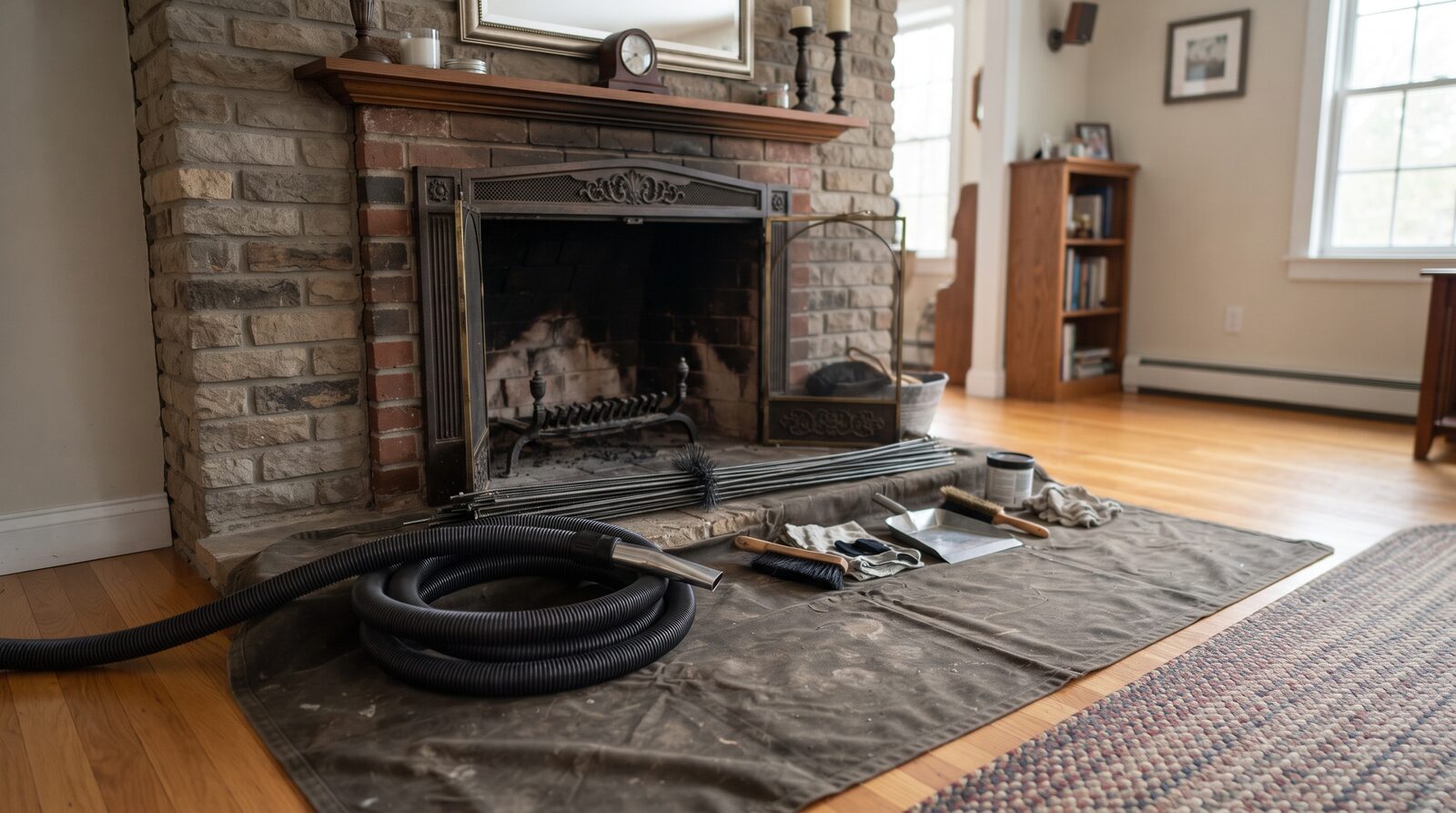 Chimney Cleaning Service for Chicago-Area FireplacesA clean flue is the starting point for safer fireplace use, better draft, and fewer smoke or odor surprises during cold Midwest weather.
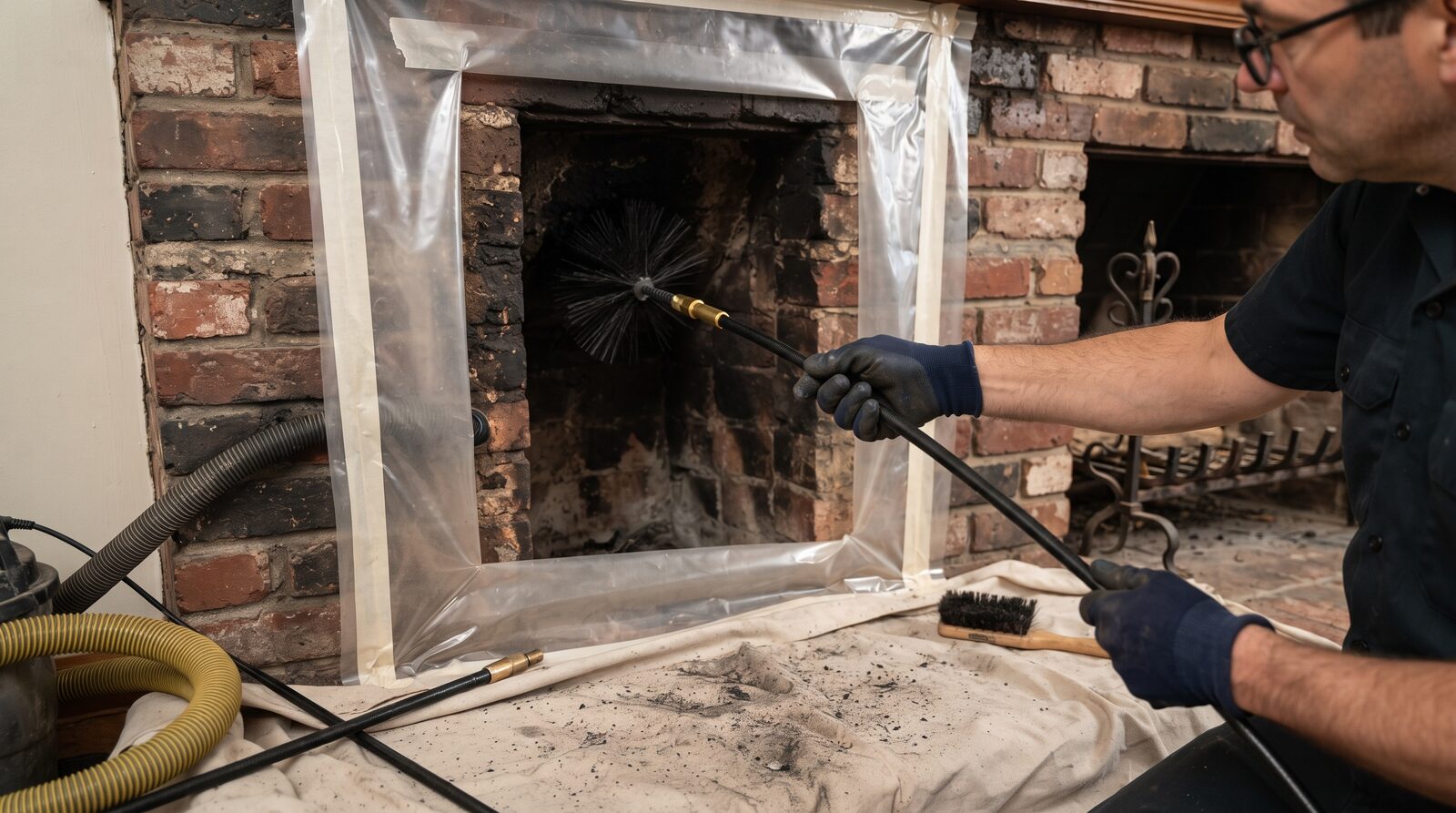 Chimney Sweeping for Working Fireplaces and Wood StovesSweeping is the maintenance step that clears buildup before it turns into smoky starts, ash odor, or a restricted flue.
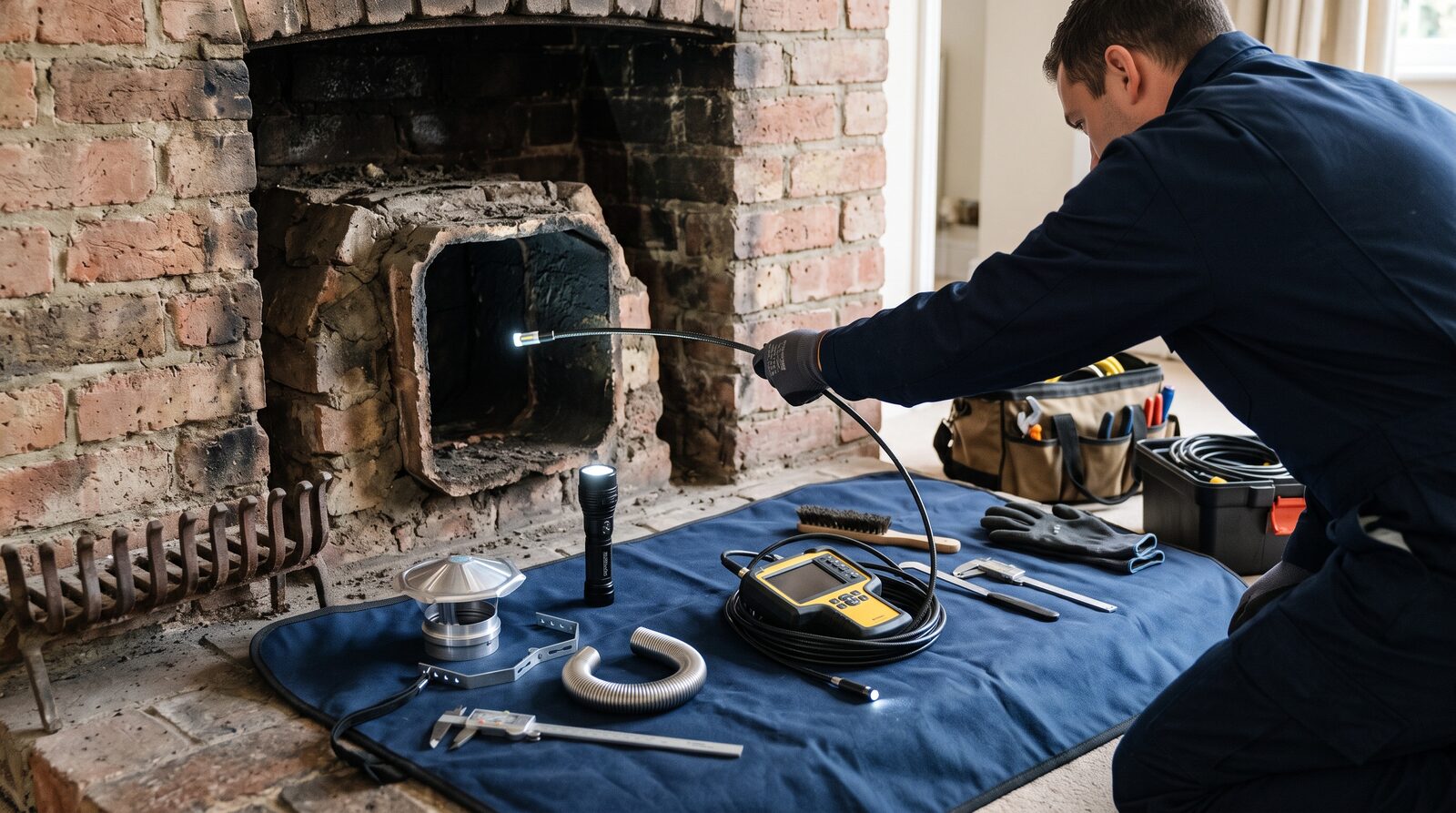 Chimney Inspections Before Repairs, Sales, and Seasonal UseInspection pages should explain what is checked and what is not guessed: visible masonry, cap condition, damper operation, liner concerns, water stains, and venting symptoms.
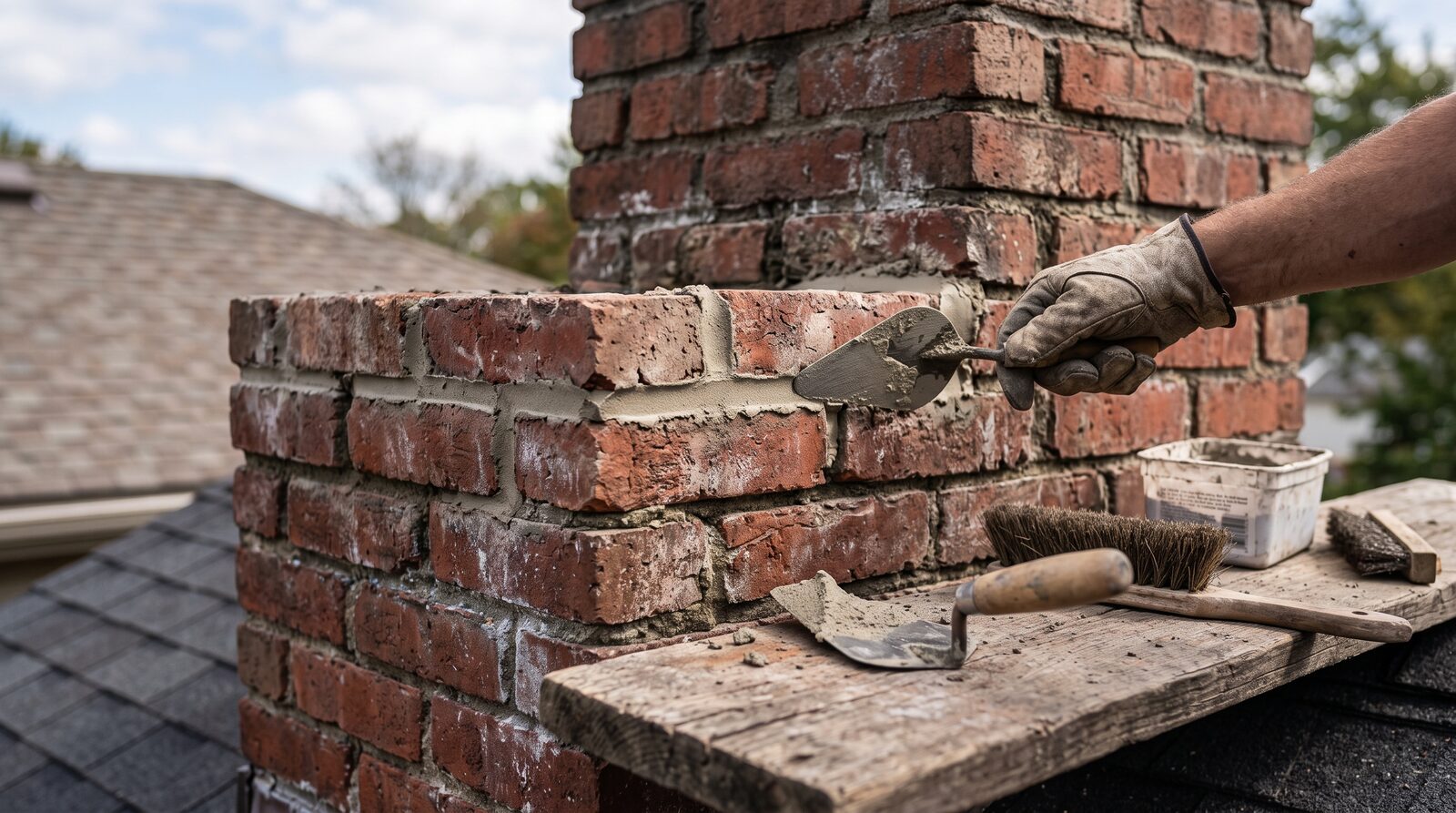 Chimney Repairs and Restoration for Masonry, Caps, and LeaksChicago weather is hard on masonry. Freeze-thaw cycles, lake-effect moisture, and older brickwork can turn small cracks into larger leak and draft problems.
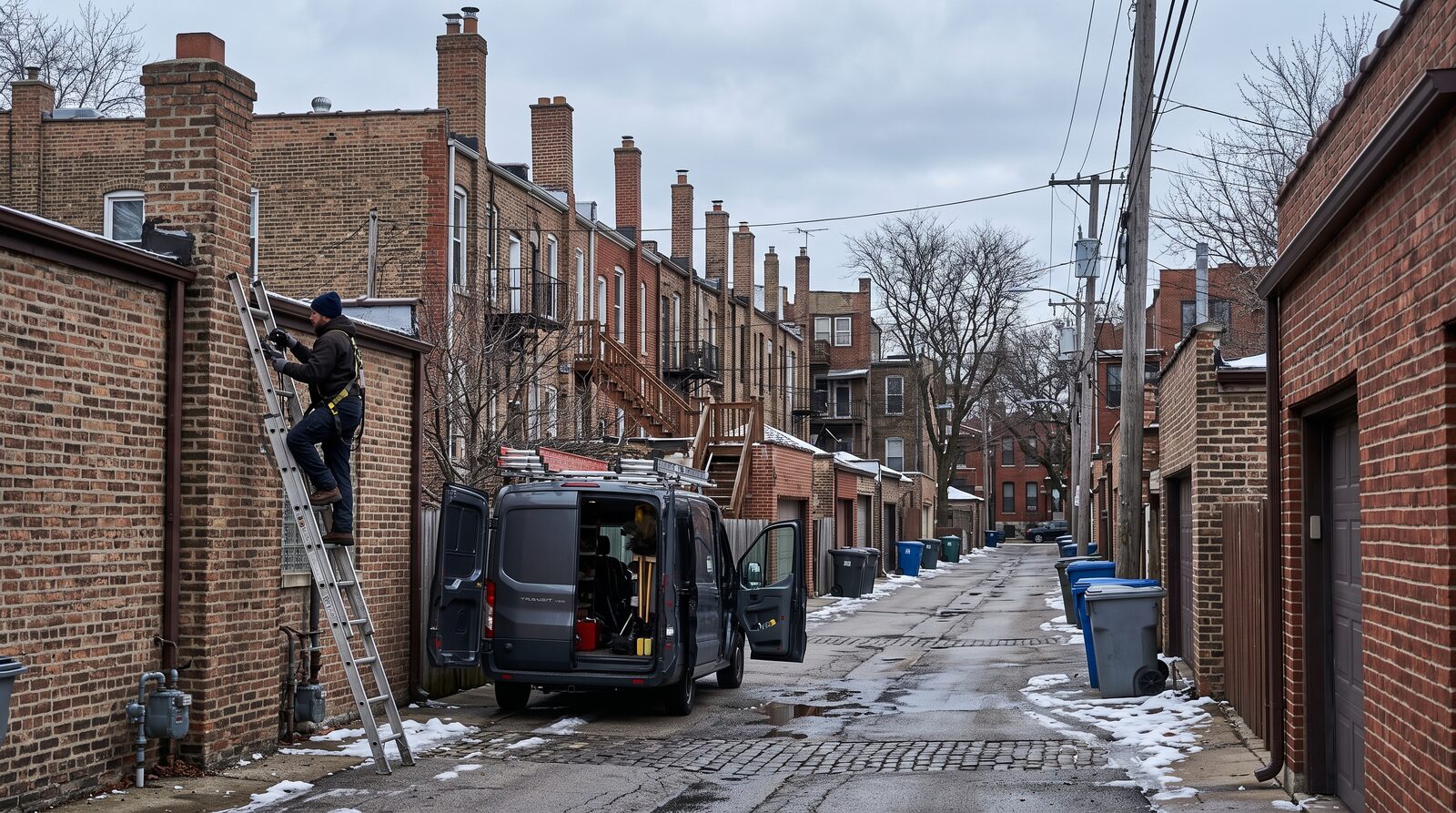 Chimney Masonry Repairs for Brick, Mortar, and Crown DamageMasonry repair content should be specific: mortar joints, spalling brick, crown cracks, shoulders, flashing edges, and exterior water exposure.
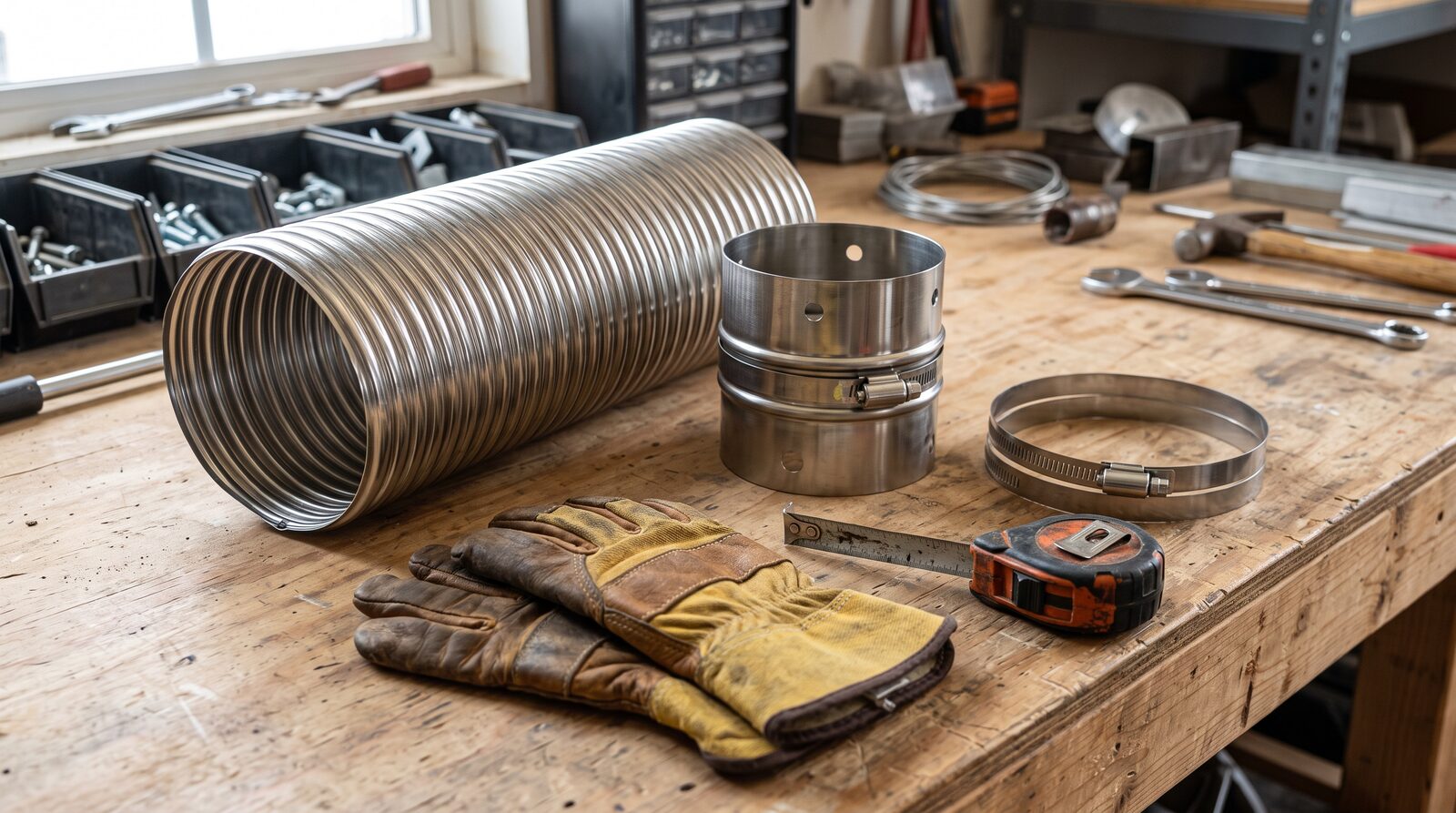 Chimney Liners for Safer Draft, Venting, and Repair PlanningA liner page should help the homeowner understand venting compatibility, visible liner deterioration, and why a liner decision belongs after inspection, not before.
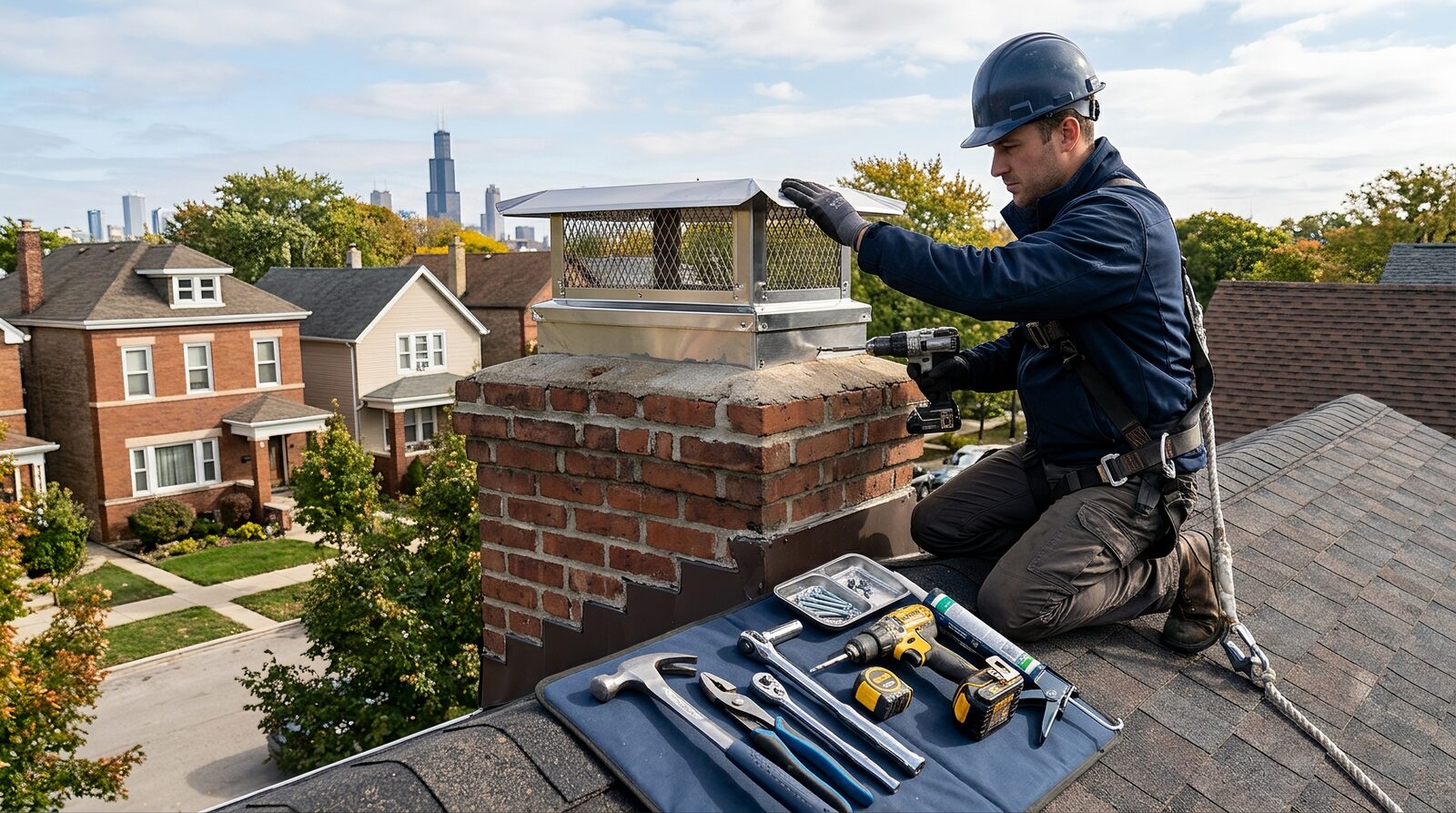 Chimney Caps and Covers for Chicago WeatherCaps help limit rain entry, animals, leaves, and downdraft debris. The right page explains sizing and function without pretending every leak is a cap issue.
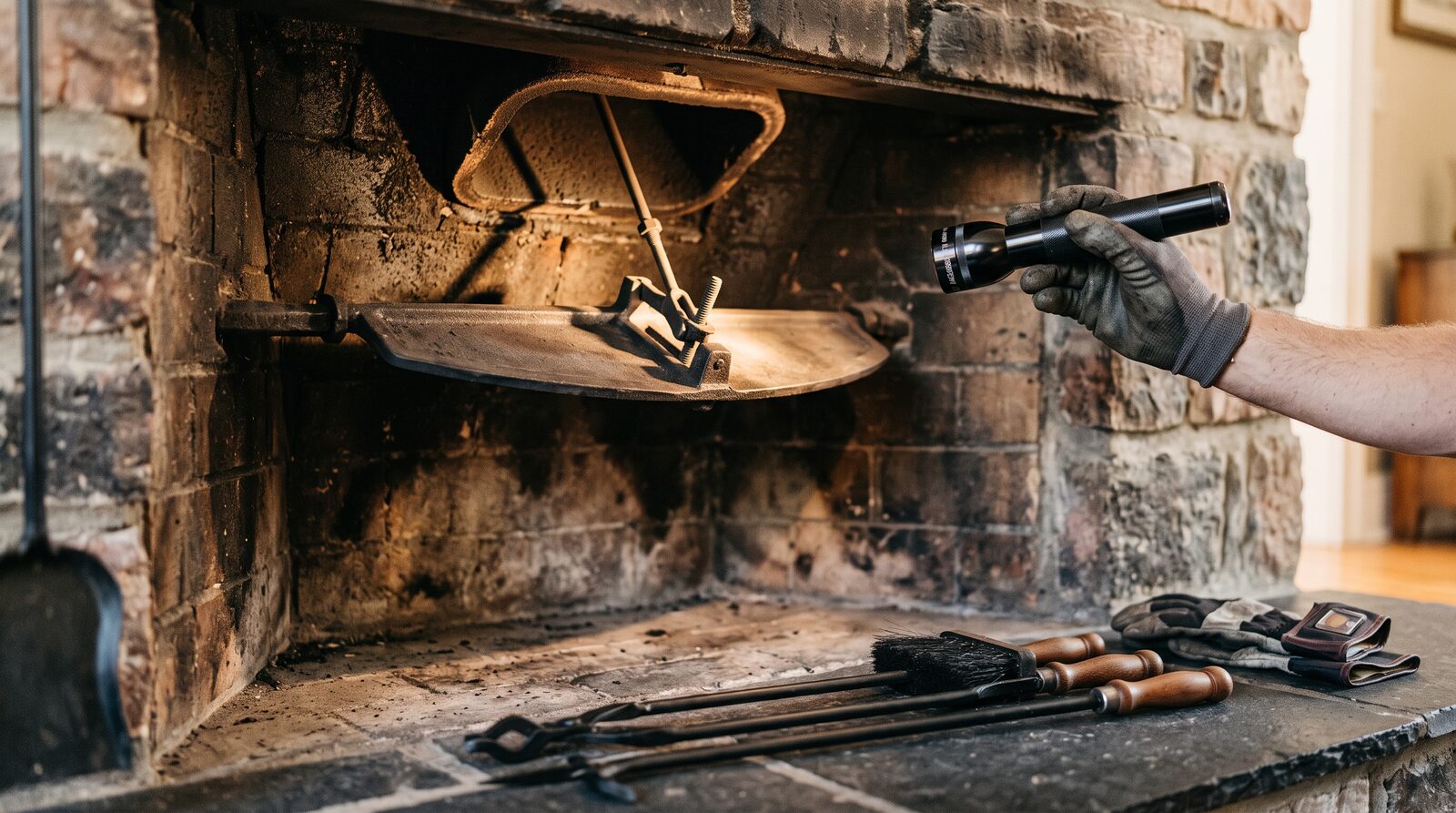 Chimney Damper Service for Draft Control and Heat LossA working damper helps control draft and reduce heat loss when the fireplace is not in use. Stuck, rusted, or poorly sealing dampers deserve a focused inspection.
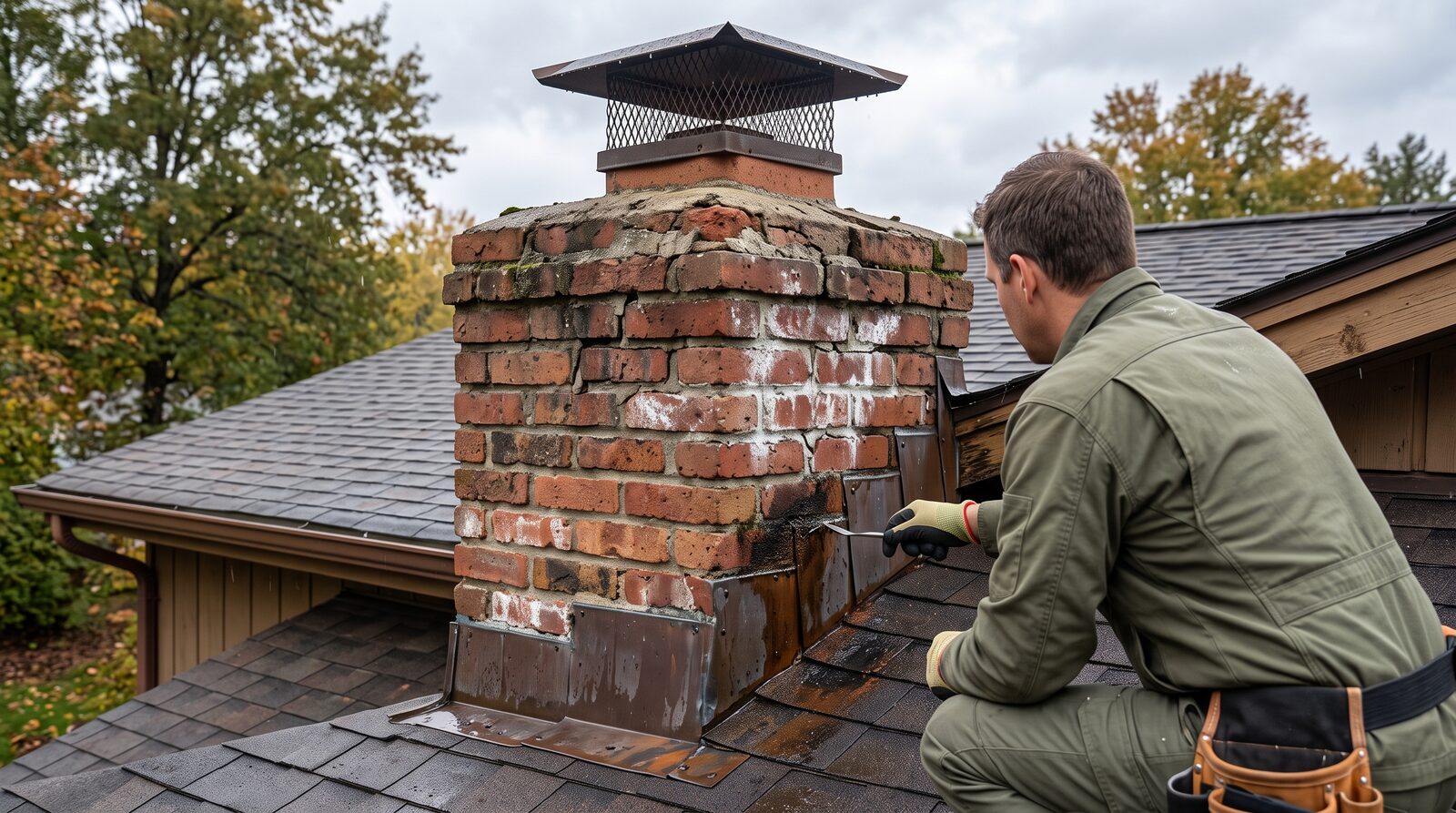 Chimney Waterproofing and Leak Tracing for Chicago Rain and SnowLeak pages should separate possible causes: crown cracks, flashing transitions, porous masonry, missing caps, condensation, and interior staining patterns.
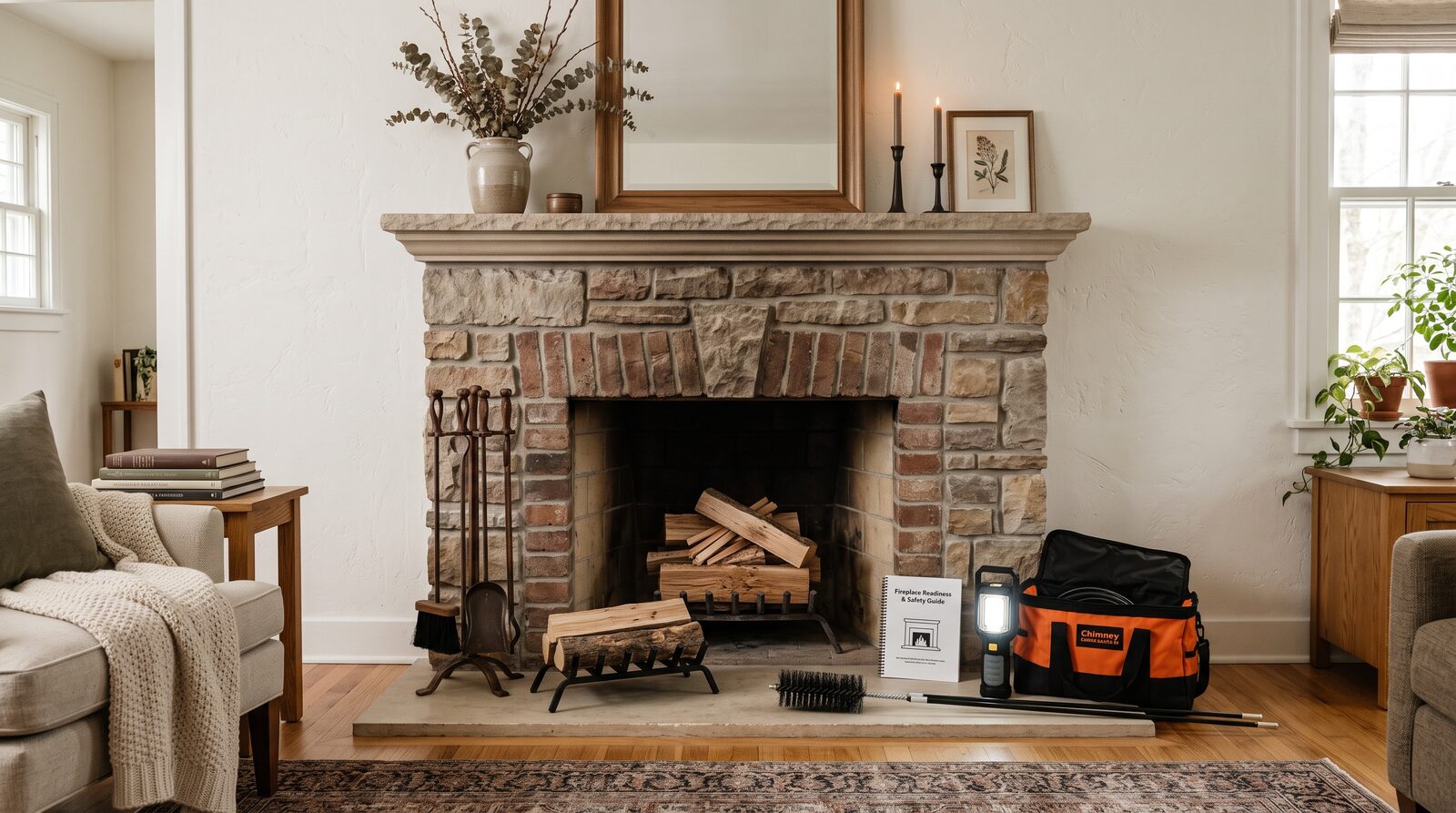 Stainless Steel Chimney Relining for Draft and Venting RepairsRelining is not a generic upsell. It becomes relevant when inspection points to liner damage, sizing mismatch, venting concerns, or appliance compatibility issues.Research CenterLearn what cleaning, inspection, leaks, liners, and masonry damage really mean before you book.BlogPractical homeowner articles for cleaning frequency, rain leaks, smoke backup, and seasonal fireplace readiness.Service AreaService-first city pages for Chicago and the nearby corridor, not bare city doorway pages.
For the Chicago corridor, the strongest content path is not one generic homepage. The site now has a service taxonomy, a service-area taxonomy, a blog, and an education layer that answers what homeowners actually ask before they trust a chimney company.
Chicago corridor chimney cleaning should begin with a clear homeowner intake, not a rushed repair label. In the Chicago corridor, the first useful facts are the fireplace or appliance type, the last known cleaning date, the exact symptom, and whether the concern appeared during use, after rain, after snow melt, or during a cold start. That context helps separate maintenance from a repair decision.
For Chicago corridor chimney cleaning, the visible evidence matters more than a generic checklist. Homeowners should look for soot, glazed creosote, ash odor, smoke entering the room, water staining, rust, loose brick, missing caps, stuck dampers, animal activity, or flakes falling into the firebox. These observations do not replace inspection, but they make the service conversation more accurate.
The practical focus areas for Chicago corridor chimney cleaning include cleaning and sweeping, inspection before repair, masonry and water-entry clues, fireplace readiness. A good service path explains what can be cleaned, what must be observed, what may need follow-up, and which items are safety-sensitive enough to pause fireplace use until they are reviewed. That keeps the visit useful whether the final answer is cleaning, repair planning, or no immediate repair.
Chicago-area homes add their own conditions to Chicago corridor chimney cleaning: older brick chimneys, long heating seasons, lake moisture, freeze-thaw movement, steep roofs, older dampers, and mixed wood-burning or gas-log systems. A page that ignores those conditions feels thin because it does not explain why the same fireplace can behave differently in January than it did in October.
A homeowner preparing for Chicago corridor chimney cleaning can make the visit more productive by clearing the hearth area, noting the last service date, describing fuel type, taking photos of stains or exterior damage, and explaining when the symptom happens. If smoke, strong odor, falling debris, or active leaks appear, it is better to pause use and request a documented inspection path.
Scope for Chicago corridor chimney cleaning should stay separated into three layers: routine maintenance, visible defect review, and repair planning. Cleaning or sweeping addresses buildup. Inspection documents what can be seen. Repair planning belongs after the evidence is known. Blending those layers too early creates confusing estimates and can make homeowners feel pushed instead of informed.
Water and weather are important in Chicago corridor chimney cleaning. A cap can reduce rain and animal entry, but not every leak is a cap problem. Waterproofing can help porous masonry in the right situation, but it will not correct failed flashing or a cracked crown. A careful page explains those boundaries so the homeowner understands why diagnosis comes before product recommendations.
Draft behavior is another reason Chicago corridor chimney cleaning needs more than one paragraph. A cold flue, pressure imbalance, damper issue, blockage, heavy buildup, or flue-sizing concern can all create smoke trouble. The correct next step depends on the condition observed, the type of fireplace, and whether the issue happens only at startup or continues after the fire is established.
Estimate conversations for Chicago corridor chimney cleaning should be specific. The homeowner should know what the service includes, what information is still unknown, whether photos or inspection notes will be provided, and which repair items are optional, preventive, or urgent. A fixed promise without those facts is less useful than a transparent condition-based explanation.
Internal links help homeowners continue from Chicago corridor chimney cleaning to the right next topic. Cleaning connects to sweeping and inspection. Leaks connect to caps, masonry, flashing questions, and waterproofing. Draft concerns connect to dampers, liners, and fireplace readiness. The strongest path is a connected education system, not isolated pages that repeat the same sales pitch.
The local context for Chicago corridor chimney cleaning is A service-area resource for chimney cleaning, sweeping, inspection, repairs, masonry, liners, caps, dampers, leak tracing, waterproofing, and fireplace readiness.. That matters because a chimney is both a venting system and a weather-exposed exterior structure. A homeowner may notice the symptom inside the living room, but the source can begin at the cap, crown, masonry face, liner, smoke chamber, damper, or roof transition.
Before scheduling Chicago corridor chimney cleaning, the homeowner should separate urgent symptoms from routine planning. Active smoke rollout, strong burning odor when the fireplace is off, falling masonry, visible flame outside the firebox, or water entering near electrical fixtures deserves extra caution. Routine buildup, seasonal odor, light soot, or a long-unused fireplace still needs attention, but the conversation can be calmer and more organized.
Documentation makes Chicago corridor chimney cleaning more useful. Notes about the last cleaning, photos of stains, weather timing, fuel type, fireplace model if known, and whether the damper opens fully can all help. The service path should leave the homeowner with a plain explanation of what was observed and what should happen next.
Many Chicago-corridor homes have had fireplace changes over time: gas logs added to older masonry, capped-off flues, appliance replacements, or partial exterior repairs. For Chicago corridor chimney cleaning, that history can matter. A fireplace that looks normal at the hearth can still have venting, liner, crown, or cap conditions that need review before heavy use.
The best homeowner question for Chicago corridor chimney cleaning is not simply 'how much?' It is 'what condition are we trying to solve?' Cleaning buildup, documenting liner concerns, tracing a leak, reviewing masonry, or checking a damper are different jobs. The estimate becomes more trustworthy when those differences are clear.
A careful Chicago corridor chimney cleaning page also helps prevent over-service. Not every stain means a full rebuild, not every odor means a blocked flue, and not every draft issue requires a liner. The right next step is the one supported by the observed condition, the homeowner's use pattern, and the risk level.
After Chicago corridor chimney cleaning, homeowners should keep service notes and photos together. Those records make the next seasonal cleaning, inspection, repair estimate, or home-sale conversation easier. They also help track whether a water-entry issue is improving, staying the same, or returning after specific storms or temperature swings.
Chimney Cleaners presents Chicago corridor chimney cleaning as a practical decision path: understand the symptom, protect the living space, inspect before major repair, and keep the homeowner informed. That is the difference between a thin service label and a page that actually helps someone decide what to do next.
The goal of Chicago corridor chimney cleaning is confidence before the call. The visitor should understand what to describe, what photos might help, why the Chicago corridor changes chimney wear, and why visible findings guide the final recommendation. That produces better questions, cleaner scheduling, and a more useful service visit.