Commercial liner service
Chimney liner repair for flue and venting concerns
Chimney liner repair guidance for flue liner damage, venting concerns and inspection-driven next steps.
Call (713) 424-4844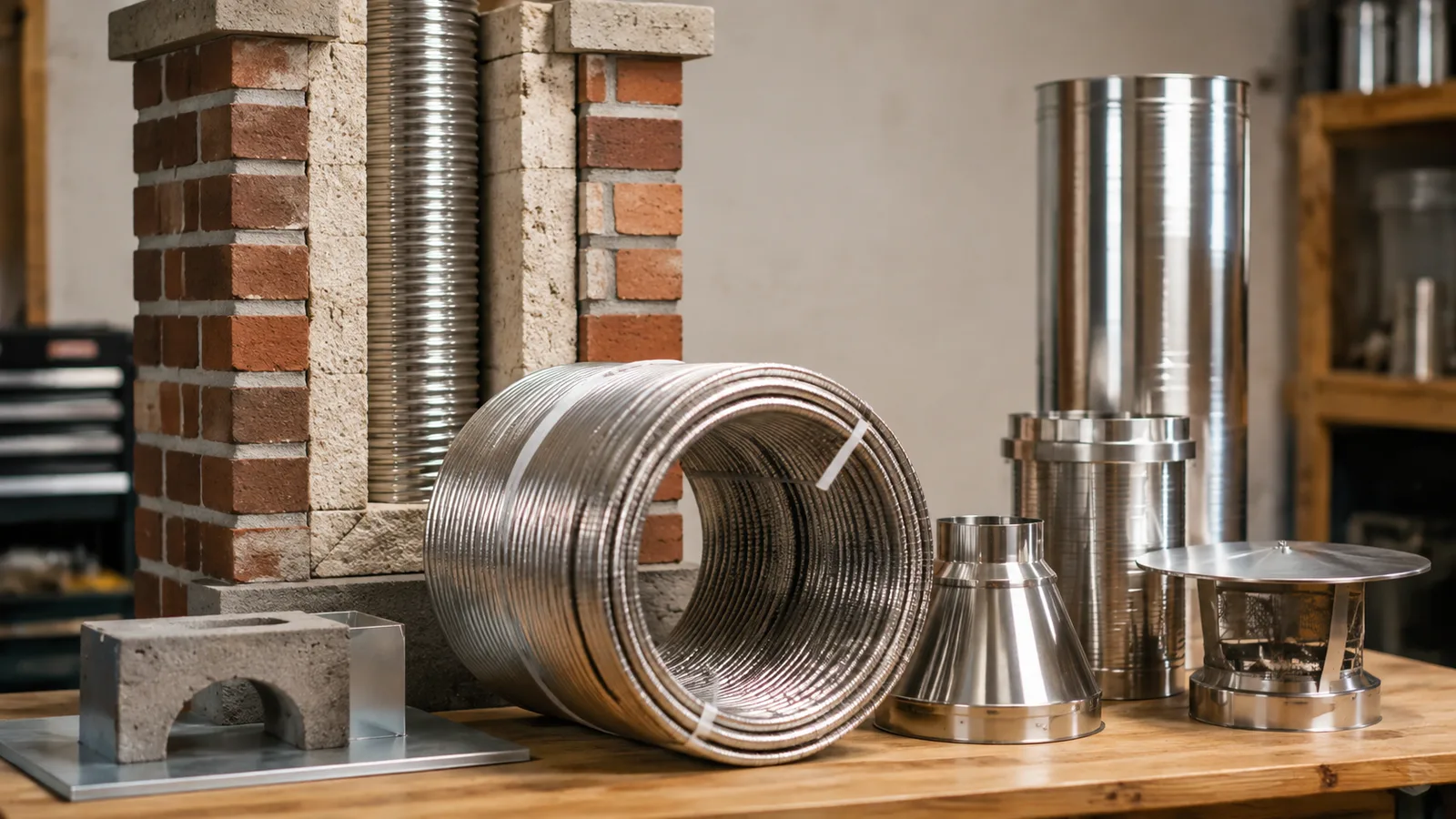
Editorial/generated service illustration; not a customer job, employee, testimonial, inspection finding, or before-and-after proof.
A chimney liner helps separate combustion byproducts from surrounding structure and supports proper venting when it is correctly matched to the appliance. Visible liner damage, cracking, corrosion, or venting concern should be reviewed carefully before continued use.
This page does not provide unsafe DIY repair instructions. It helps visitors understand why liner questions belong in a professional inspection-and-repair workflow, especially when appliance changes, smoke movement, moisture, or unusual odors are involved.
The URL preserves the existing liner route and keeps stainless relining questions as a related but not automatically claimed capability.
Useful next steps
- Stop using a fireplace or appliance if you notice active smoke, flame, suspected carbon monoxide, or unusual burning odors.
- Collect photos of visible staining, loose parts, cap damage, or soot before calling if it is safe to do so from the ground.
- Use inspection before repair decisions when symptoms could have more than one cause.
Common questions
When should I request this service?
Request service when symptoms match the page topic, when seasonal fireplace use is approaching, or when inspection points to a specific repair or cleaning need.
Does this page make safety promises?
No. Safety, code, certification, price, response-time, and approval claims require current proof. This page gives service guidance and a clear contact path.
What should I do for active smoke, flame, or carbon monoxide concern?
Leave the area and contact emergency services or qualified help immediately. Do not use routine website guidance for an active emergency.
Safety sources used
NFPA home heating safetyU.S. Fire Administration heating fire preventionEPA Burn WiseCPSC carbon monoxide safetyTalk with Chimneycleaners
Call for practical chimney, fireplace, and vent service routing without unsupported claims or pressure.
(713) 424-4844Chimney liner repair intent consolidated here
This page is the canonical owner for chimney liner repair and flue liner repair language. It frames liner concerns around inspection findings, appliance venting context, visible deterioration, and safety-sensitive escalation without claiming certification, clearance, or code approval.
Common concern signals
Cracked tile, flaking liner material, moisture damage, smoke movement, or appliance changes can justify a liner-focused inspection conversation.
Repair versus replacement
The page distinguishes repair discussions from replacement decisions, which depend on verified condition and venting requirements.
Safety boundary
Do not use a suspected damaged flue for active fires or appliance venting based on website text alone; request qualified evaluation.