Commercial masonry repair
Chimney masonry and tuckpointing for brick and mortar wear
Chimney masonry and tuckpointing guidance for worn mortar, brick wear and inspection-led repair decisions.
Call (713) 424-4844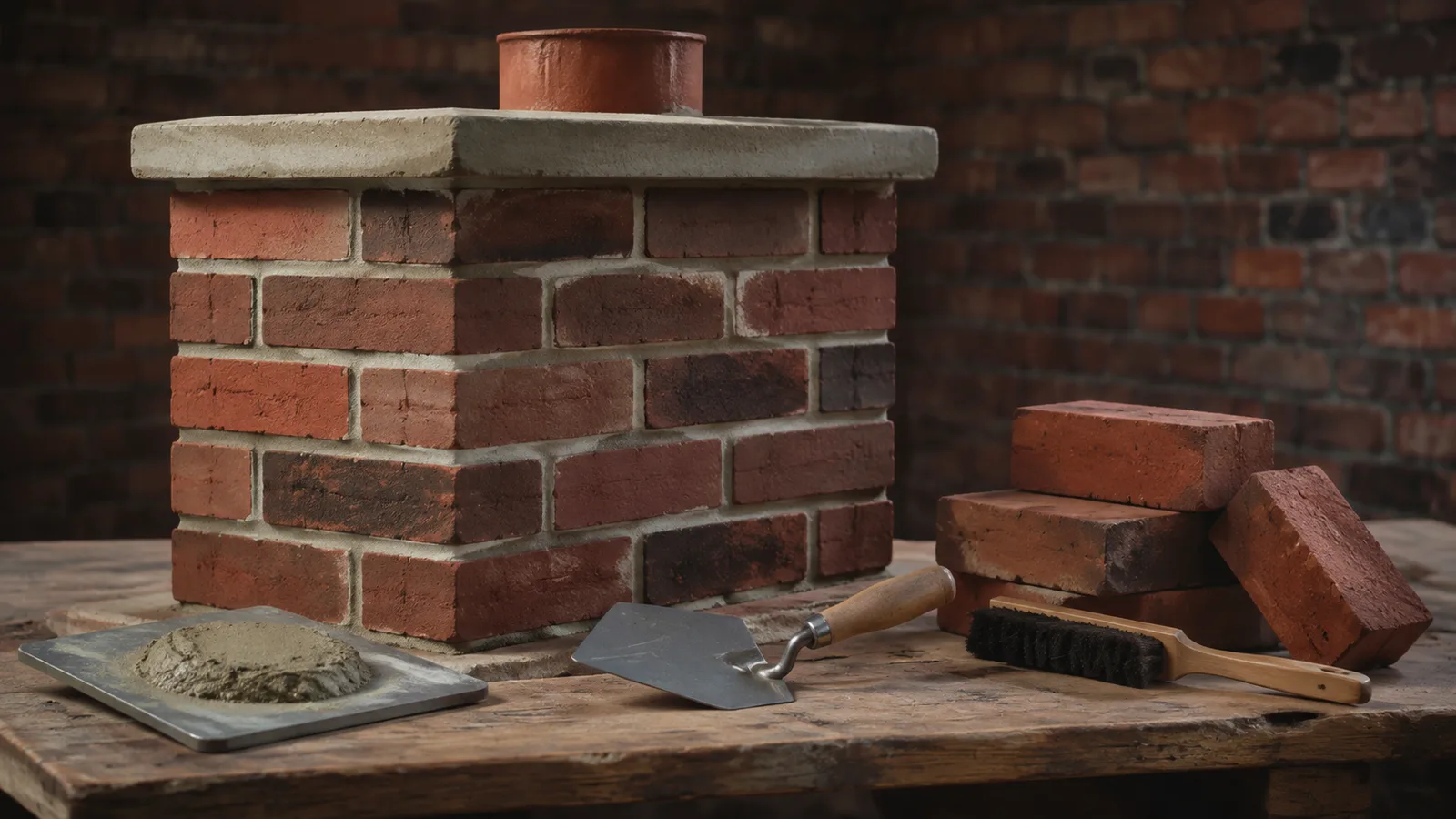
Editorial/generated service illustration; not a customer job, employee, testimonial, inspection finding, or before-and-after proof.
Masonry and tuckpointing concerns often start with worn mortar joints, spalling brick, staining, or visible gaps. The right repair depends on the chimney condition, materials, and water-entry source.
The existing site already owns masonry repair through its waterproofing/masonry page. This page narrows the intent to brick and mortar, reducing overlap with crown, flashing, and leak topics.
Tuckpointing is published only as masonry repair guidance, not as a credential, warranty, structural rating, or safety clearance.
Safe next steps
- Stop using the fireplace or appliance if there is active smoke, flame, suspected carbon monoxide, or unusual burning odor.
- Document visible symptoms from the ground or indoors only when it is safe.
- Use inspection before selecting repair when symptoms could have more than one cause.
Common questions
When should I request this service?
Request service when visible symptoms match the page topic, when inspection points to this repair area, or when chimney use changes after weather, smoke, odor, moisture, or component concerns.
Does this page make credential or safety-clearance claims?
No. Credential, code, approval, price, response-time, and safety-clearance claims require current proof. This page gives service guidance and a clear contact path.
What should I do for active smoke, flame, or carbon monoxide concern?
Leave the area and contact emergency services or qualified help immediately. Routine website guidance is not a response plan for an active emergency.
Safety sources used
NFPA home heating safetyU.S. Fire Administration heating fire preventionEPA Burn WiseCPSC carbon monoxide safetyTalk with Chimneycleaners
Call for practical chimney, fireplace, and vent service routing without unsupported claims or pressure.
(713) 424-4844Masonry repair intent merged into tuckpointing guidance
Chimney masonry repair searches often start with loose mortar, cracked brick edges, leaning stacks, spalling faces, and water-worn joints. This page keeps that intent on one canonical URL while explaining when tuckpointing may be enough and when a broader masonry repair conversation is more appropriate.
Joint condition
Open, sandy, recessed, or cracked joints can let water move through the stack and should be separated from purely cosmetic staining.
Brick condition
Spalled or fractured brick faces may need masonry repair beyond repointing, especially when water entry or freeze-thaw wear is visible.
Escalation cues
Movement, separation, missing units, or suspected structural issues are inspection items, not quick patch promises.